
Charlie Kirk’s assassination has turned into more than a news cycle. It feels like a loyalty test. Social media is flooded with arguments not only about the act itself but about how people are reacting to it. Dissenting voices are being flagged, reported, and even threatened with legal consequences. Whether you mourn, mock, or just want out of the conversation, the point is the same: silence is no longer neutral.
So where does goth fit in? For decades, people have insisted that goth is apolitical. The spooky kids with eyeliner, synths, and fog machines were never supposed to be part of ballot boxes and culture wars. But goth has never been just escapism. From the start it was born of resistance, shaped by Thatcher’s England, Reagan’s America, and the paranoia of the Cold War. Clubs became shelters for outsiders, queers, and the broken-hearted. That is political, whether or not it comes with a campaign slogan.
Origins in Resistance
The bands made it clear. Bauhaus released Bela Lugosi’s Dead as a rejection of pop polish, an anthem for misfits when conformity ruled. Siouxsie Sioux tore at gender roles and societal taboos with raw defiance. The Cure gave voice to despair and alienation in an era obsessed with optimism.
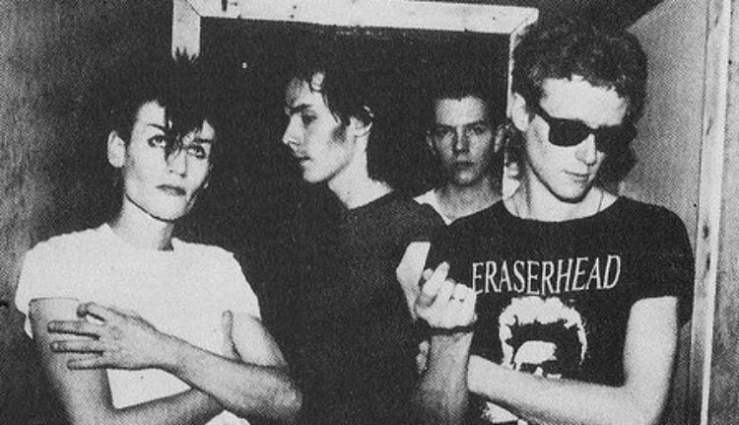
Post-punk’s political edge carried straight into goth. Killing Joke snarled against nuclear war with Wardance. Joy Division captured the psychic cost of industrial collapse. The Sisters of Mercy, with tracks like Dominion/Mother Russia, turned Cold War dread into anthems of apocalyptic grandeur. Even The Smiths, though not goth, embodied the same outsider ethos through their critiques of Thatcherite society.
These were not neutral songs. They were resistance set to basslines and drum machines.
The Myth of “Apolitical Goth”
It is easy to see where the myth comes from. Goth is a refuge. The music can be a place to drown in, the fashion a kind of armor, the club a sanctuary away from the news cycle. “I’m just here for the music,” people say, meaning they don’t want politics intruding on their escape.
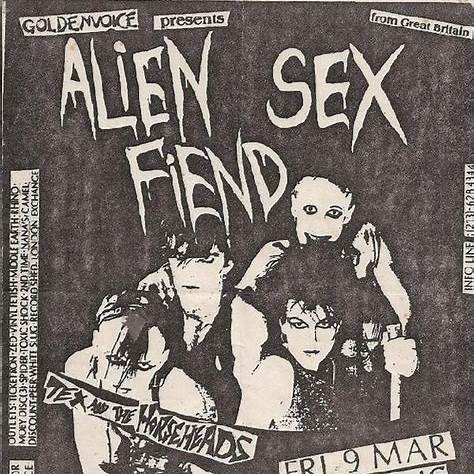
But the music never stopped being political. Alien Sex Fiend satirized horror culture, Specimen played with androgyny, Christian Death attacked religious control, and Skinny Puppy confronted systemic cruelty. Every one of those choices was a strike against the mainstream.
Memory as Evidence
I’ve been in this subculture long enough to remember when being goth carried real-world risks. The Satanic Panic turned bands into supposed corrupters of youth. Even Dungeons & Dragons was cast as a gateway to evil. After Columbine, goth kids were vilified by the media, painted as dangerous for wearing black. In the 90s, sensational headlines pinned violent crime on “vampire cults” linked to goth.
These weren’t abstract debates. They were moments when being goth meant stigma, harassment, or worse. Surviving those moral panics was political.
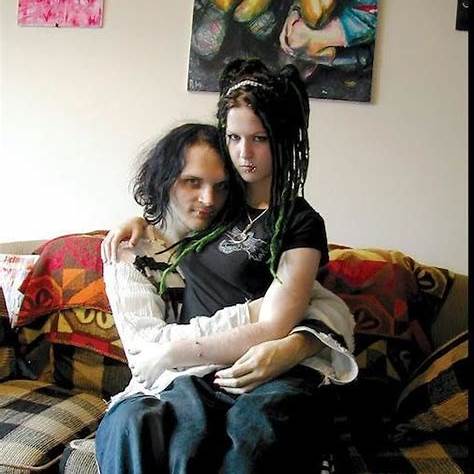
And in 2007, Sophie Lancaster was murdered in England for the simple fact of being goth. She and her partner were attacked because of how they looked, and she lost her life for it. Her death sparked campaigns to recognize subcultural hate crimes, proving that difference itself can be deadly. Neutrality doesn’t protect anyone.
The Reality of Politics in Subculture
Subcultures don’t exist outside politics. Thatcher’s cuts shut youth centers and pushed kids into squats. Reagan’s “family values” crusade made goth a target of suspicion. The PMRC called goth and metal corrupting forces. After Columbine, goth became a media scapegoat.
More recently, the Trump regime carried that hostility forward. Its rhetoric blurred dissent into disloyalty, painted protest as criminal, and emboldened moral panics against queer and outsider communities. For goths, already living at the margins, the message was clear: difference itself was under attack again.
Today’s bands continue to respond. Lebanon Hanover sings about alienation in modern consumer culture. Boy Harsher conjures the dread of surveillance. She Past Away embodies decay and dislocation. The music remains political because the world remains hostile.
Right-Wing Appropriation
This is why the current climate matters. Kirk’s death and the fallout show how easily narratives are weaponized. The far right has already tried to strip goth down to “edgy fashion,” divorced from its roots. We’ve seen this happen before with skinhead culture, born from the multiracial and working-class before fascists ultimately hijacked it.
The danger of silence is real. Christian Death’s anti-clerical fury, Skinny Puppy’s attacks on cruelty and consumerism, and Dead Can Dance’s haunted meditations on despair were all unmistakably leftist in spirit. To pretend goth is neutral erases that history and leaves the subculture vulnerable to appropriation.
Sidebar: The Minority Report – Conservative Goths in the Scene
Not every goth aligns with the left. There are conservative goths, queer goths who lean right, and even “Goths for Trump.” They exist, and they are part of the scene.
But they are exceptions. The overwhelming current of goth culture leans left, whether in queer visibility, anti-fascism, or rejection of conformity. Right-leaning goths often feel at odds with the wider scene because the values at goth’s heart don’t mesh easily with right-wing politics.
Acknowledging them makes the picture honest. But it doesn’t change the fact that goth’s DNA was written in resistance.
Online vs. Offline Goth
Online, goth looks like a battlefield of hot takes. TikTok and YouTube are full of creators claiming goth was never political, some with the authority of supposed long-time scene members. Their comments sections echo with agreement, reducing goth to fashion or escapism.
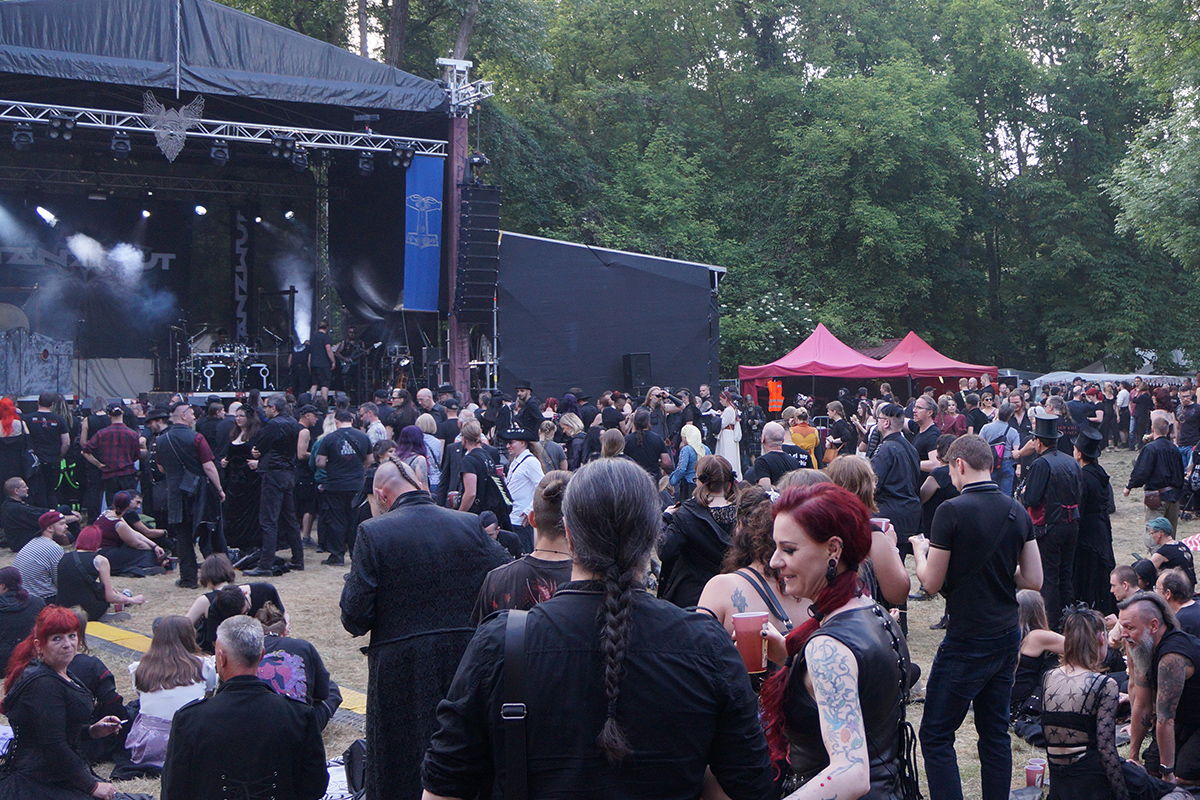
But this is mostly an online phenomenon. In clubs, at shows, and at festivals, the politics don’t need to be announced. Anti-fascism, queer visibility, and outsider solidarity are already built into the spaces themselves. Offline, goth is still what it has always been: a music-based refuge for outsiders. That fact alone is political, whether or not it trends in the algorithm.
Where Goth Leans
If goth is political by nature, its direction is clear. From the beginning, it embraced queerness, gender nonconformity, and outsider survival. It rejected authoritarian norms and moral crusades. Its bands railed against war, consumerism, systemic violence, and religious control.
That doesn’t make goth a partisan bloc. But its survival depends on values that align with the left. Neutrality isn’t safety. It’s surrender.
Conclusion
Goth has always been political, and it has always leaned left. Its roots are in resistance. Its bands gave voice to dread, defiance, and survival. Its clubs created refuge for those the mainstream rejected.
To say goth is apolitical is to ignore the music, the history, and the people who lived it. In a moment when dissent is dangerous and authoritarianism grows louder, goth’s leftist core matters more than ever. Goth is not neutral. It never was.
The question isn’t whether politics belong in goth. They always have. The real question is how the subculture chooses to carry that legacy forward. For those who have lived through different eras of the scene, how do you see these tensions playing out today?
Comment Policy:
The Twilight Tone is a space for critical thought and lived experience. Disagreement is welcome, but personal attacks, hate speech, or trolling will not be tolerated.
 thetwilighttone.com