
Goth is a subculture with a reputation.
It’s the black eyeliner, the cemetery photo shoots, the dramatic fashion. It’s the Halloween memes, the TikToks, the endless “goth aesthetic” Pinterest boards. And if you’ve seen all that from the outside, you might think goth is all about how it looks.
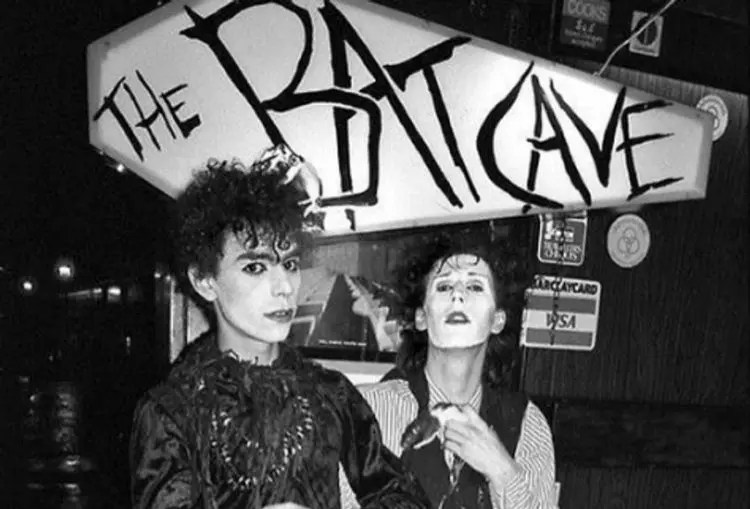
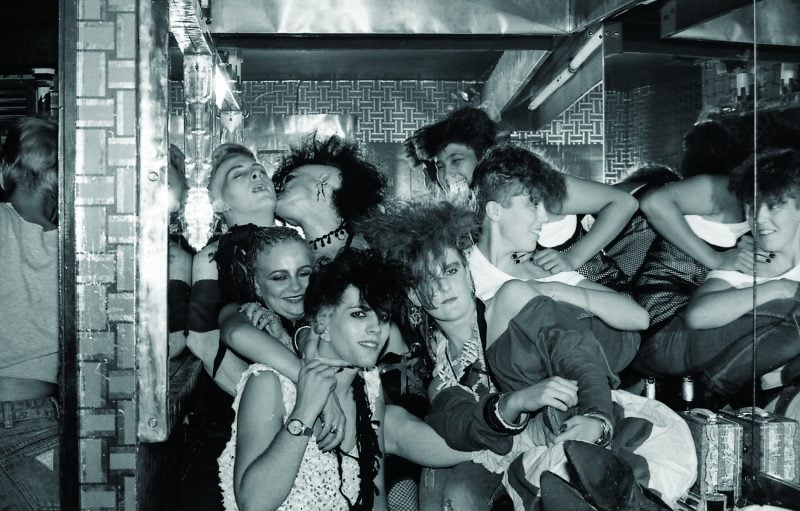
But the truth is: goth started, and still survives, not in closets, but in clubs and at live shows.
In the beginning, it was sound.
A Subculture Born from Sound
In the late ’70s and early ’80s, a certain kind of music began to emerge from the ashes of punk and glam. It was colder, moodier, more introspective. Bands like Bauhaus, Siouxsie and the Banshees, The Cure, Joy Division, and Sisters of Mercy weren’t just performing, they were creating atmosphere. Creating a sonic language for alienation, beauty, decay, defiance.
That language became a community.
The style? It followed, but it didn’t define it.
What We Talk About When We Talk About Goth
You don’t have to look a certain way to be part of this world. And truthfully, you don’t even have to label yourself anything at all. You just have to listen.
Because goth isn’t about gatekeeping. It’s about connection for people who felt like outsiders to find each other through sound. Through mixtapes and dance floors and flickering club lights. That still happens today, whether in DIY bar nights, vinyl shops, or Discord servers swapping playlists.
Goth isn’t now, nor ever was, a dress code. It’s a state of resonance.
A Growing Tree of Sound
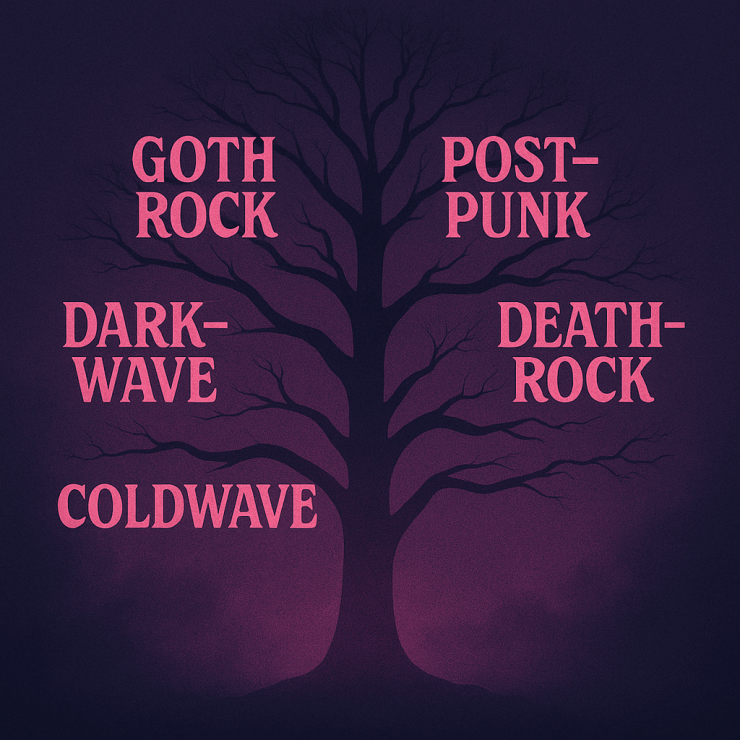
The music has never been just one thing. Over time, goth evolved and tangled itself with related genres that shaped the broader scene. Each branch has its own voice:
- Goth rock – melancholic guitars, driving basslines, and theatrical vocals.
- Post-punk – minimal, nervy, and raw.
- Darkwave – lush, synth-heavy sorrow.
- Coldwave – icy, French, industrial-leaning.
- Deathrock – punk energy, horror movie edge.
These styles all dance in the same shadow. Different rhythms, but the same beating heart.
Shared Spaces and Sonic Siblings
Even beyond those branches, goth has always shared dance floors and festivals with adjacent sounds: EBM, industrial, aggrotech, power noise. These aren’t goth per se. But they speak a similar language: bleak, bold, cathartic, rebellious.
If you’ve heard Front 242, Haujobb, or Dive, you know what I mean. These sounds hit harder, more mechanical. But they exist right beside goth in many clubs and communities; collaborating, coexisting, and colliding.
Why This Still Matters
So why write this?
Because the internet often warps subculture into an aesthetic. It flattens meaning. The algorithm doesn’t care whether a look comes from music, history, or from struggle. All it wants is the look.
Goth is still here. Not as a costume, but as a culture. It’s still here not as a relic, but a living, breathing thing. And like any culture, it deserves to be understood.
If you’re already part of it, you probably know that feeling when a song seems to speak directly to your insides. If you’re not, maybe you’re curious. Maybe this is your first real window in.
Either way: welcome.
Goth Isn’t Just Nostalgia
While it’s vital to honor the roots, it’s just as important to recognize that goth music never stopped evolving. There’s a massive wave of contemporary artists keeping the spirit alive and doing it all on their own terms.
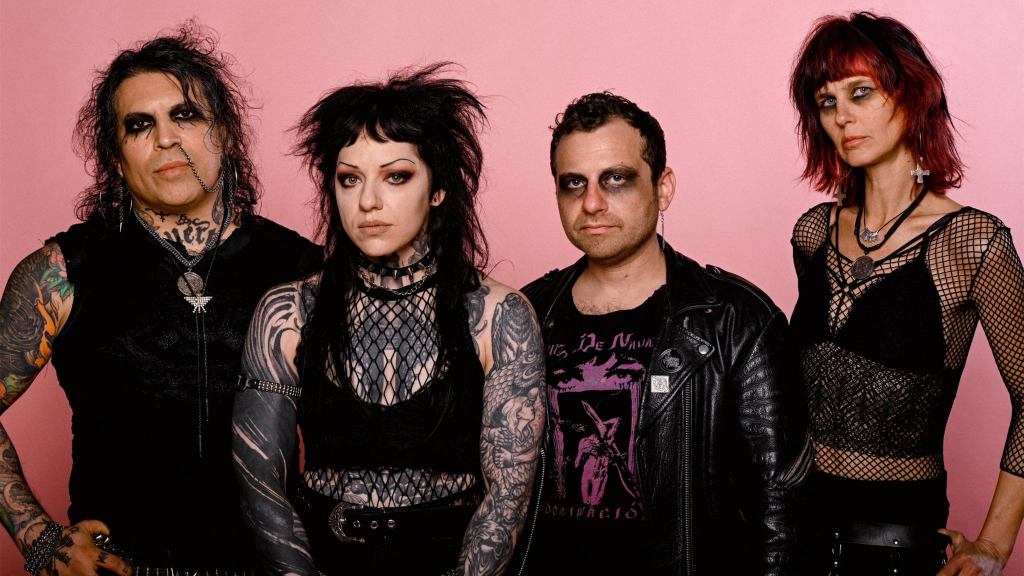
From the hypnotic, cold minimalism of She Past Away, to the modern goth rock power of The Kentucky Vampires, Sexblood, and Nox Novacula, today’s bands are pushing the sound forward without abandoning its soul. Acts like Illegal Funeral bring raw deathrock energy back into the mix with a frenetic, abrasive, and urgent message.
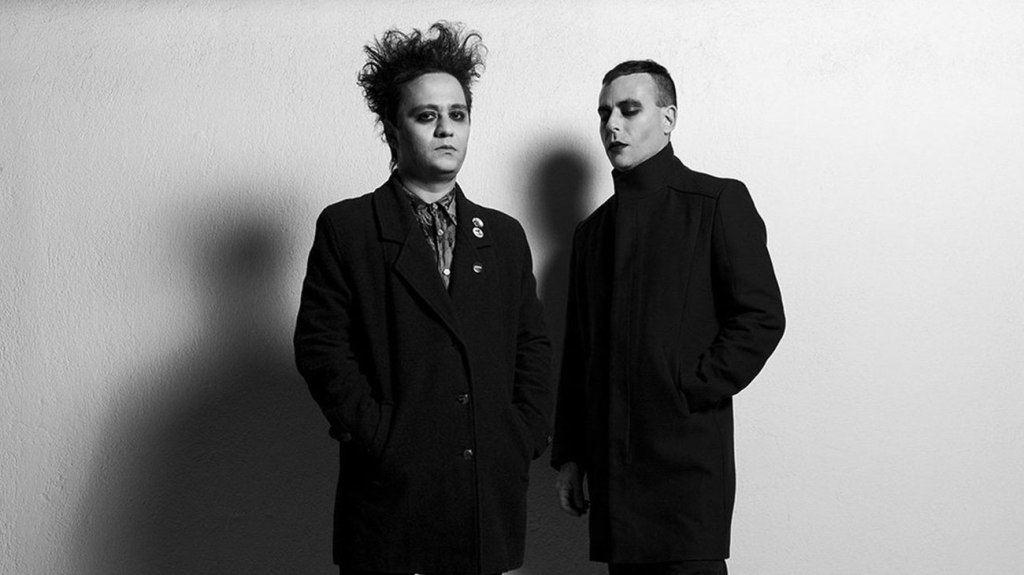
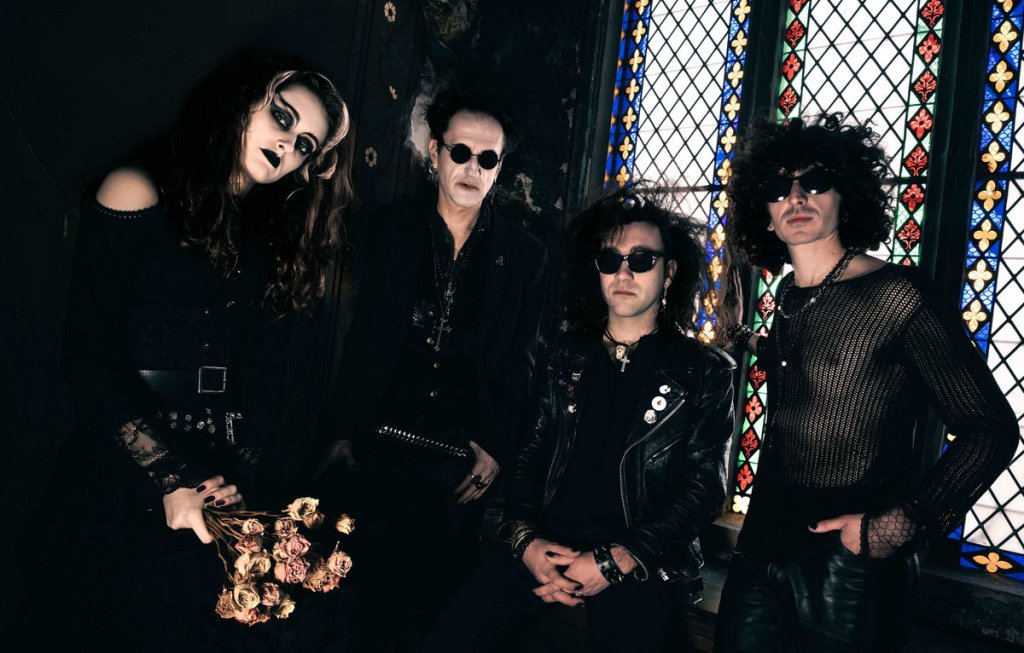
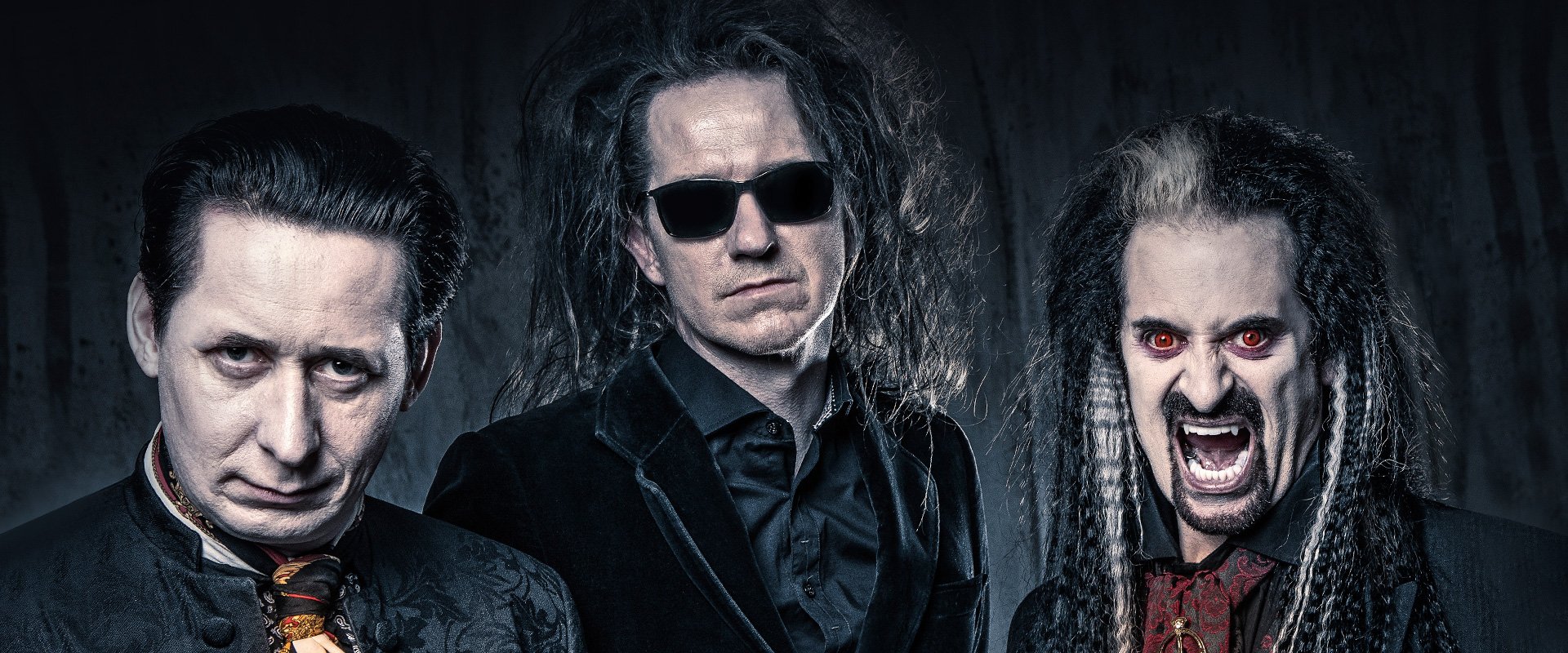
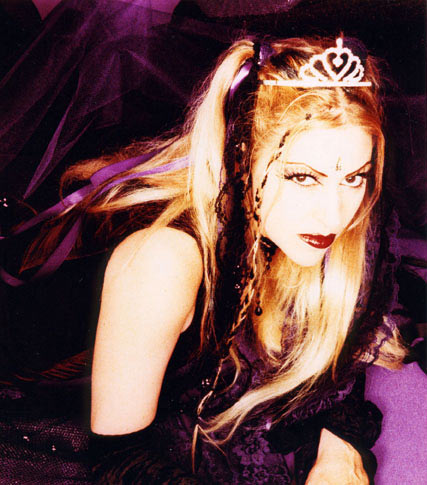
Even legends from the ’90s are back in the crypt: The Wake, Diva Destruction, The Nosferatu, Autumn, and Corpus Delicti have all returned with new music, not as nostalgia acts but as vital contributors to the genre’s ongoing evolution. Their new material is proof that this scene doesn’t age, it haunts with the playful glee of a restless poltergeist.
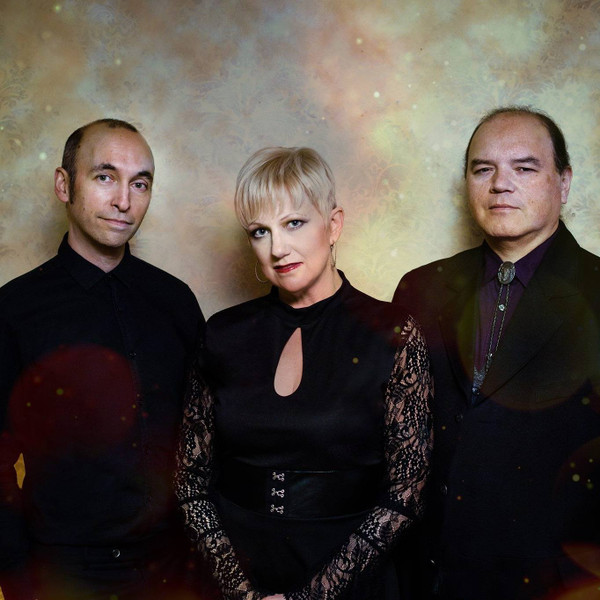
Make no mistake: goth isn’t just alive in Europe and North America. Central and South America have become thriving hotbeds for dark alternative music, with fiercely passionate fanbases, underground festivals, and homegrown acts like Plastique Noir, Diavol Strain, and Pilgrims of Yearning gaining global traction. Whether it’s death rock in Mexico City or darkwave in São Paulo, the pulse of goth echoes far beyond the usual venues.
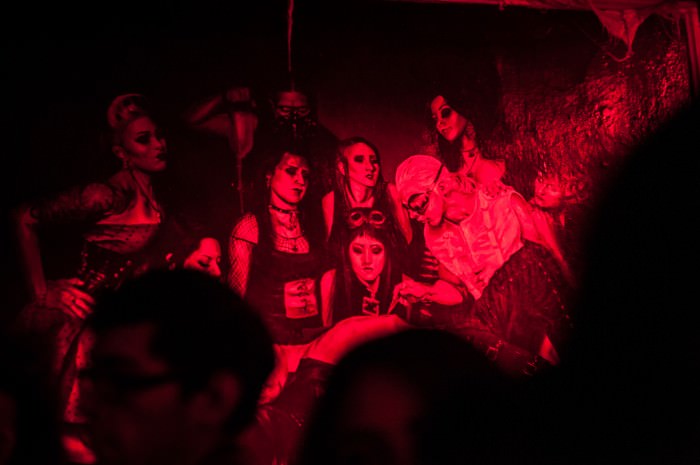
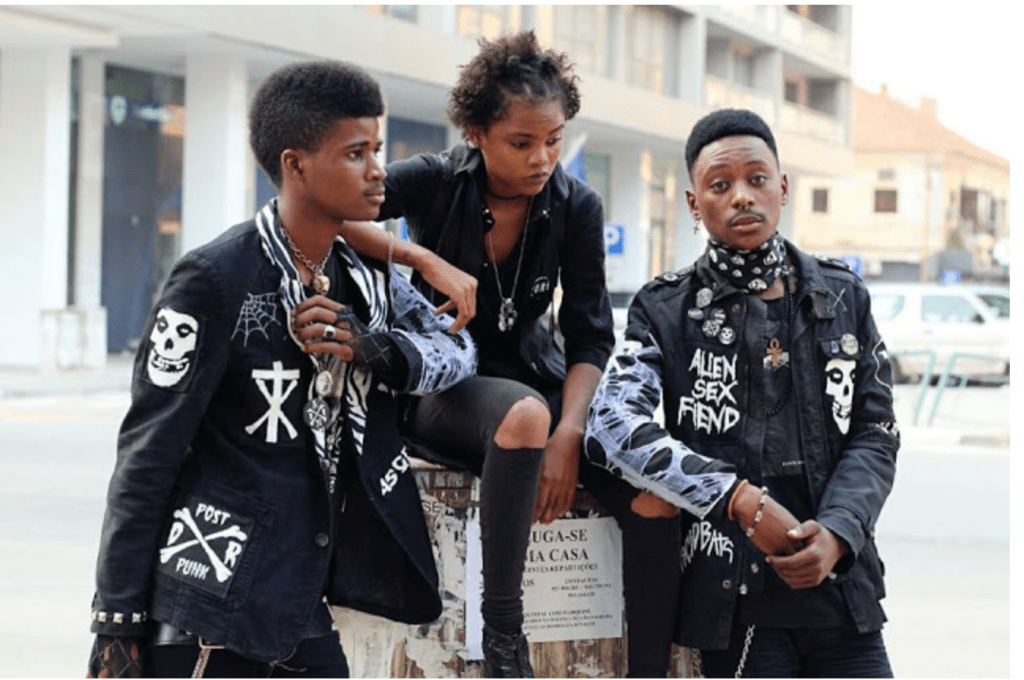
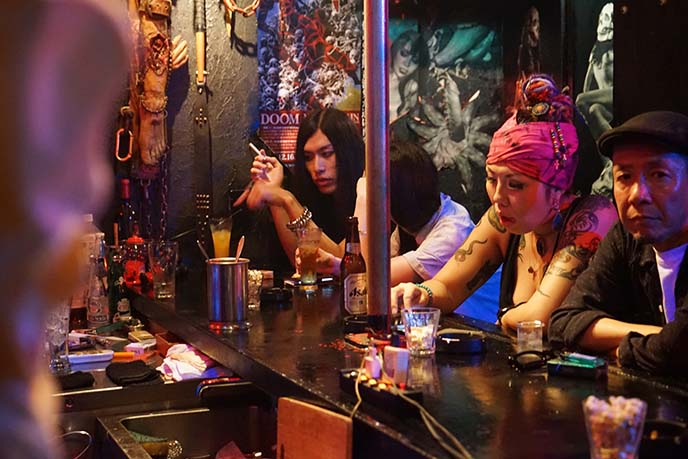
Despite all this, these bands and regions are still underplayed in many clubs and overlooked in broader conversations. The algorithm keeps serving up the same old favorites. But if you dig even a little deeper, you’ll find a whole underground renaissance waiting.
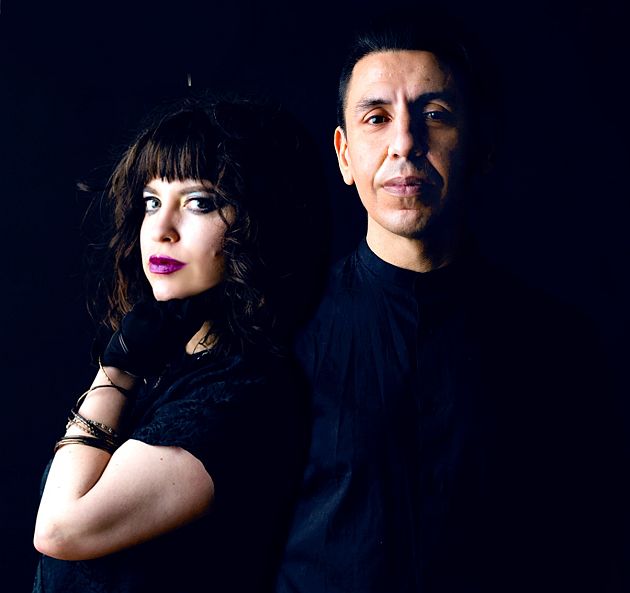
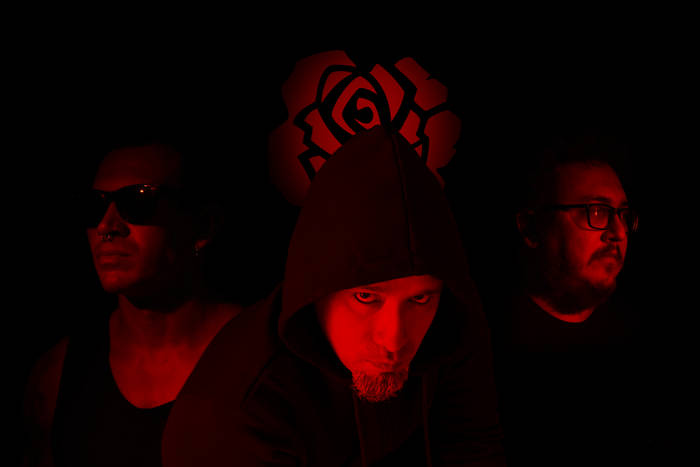
Goth didn’t die, it just crossed borders and came back louder.
This Isn’t a Test. It’s an Invitation.
I’m not here to draw lines. I’m here to play music loud enough for someone to recognize themselves in it.
If this resonates with you, cool. If you’ve never set foot in a goth club but find something familiar in the feeling of being a little haunted, a little romantic, a little outside of things, also cool.
Goth doesn’t belong to the past; it belongs to anyone it speaks to. So, when someone asks, “Am I goth enough?” Maybe ask this instead:
What’s in your headphones?
Let’s Talk
Got a favorite band, genre crossover, or memory tied to a song that hit too deep to explain? Share it.
This space is open, just keep it civil. We’re not here to police taste. We’re here to celebrate what moves us.
Whether you’re in full eyeliner or just lurking curiously from the edges, you’re welcome to join the conversation.
 thetwilighttone.com